Skunks
The striped skunk and the potent defense mechanism it wields is legendary. Easily recognizable by sight and smell, the skunk is commonly found in rural, suburban, and urban areas where conflicts with property owners frequently occur.
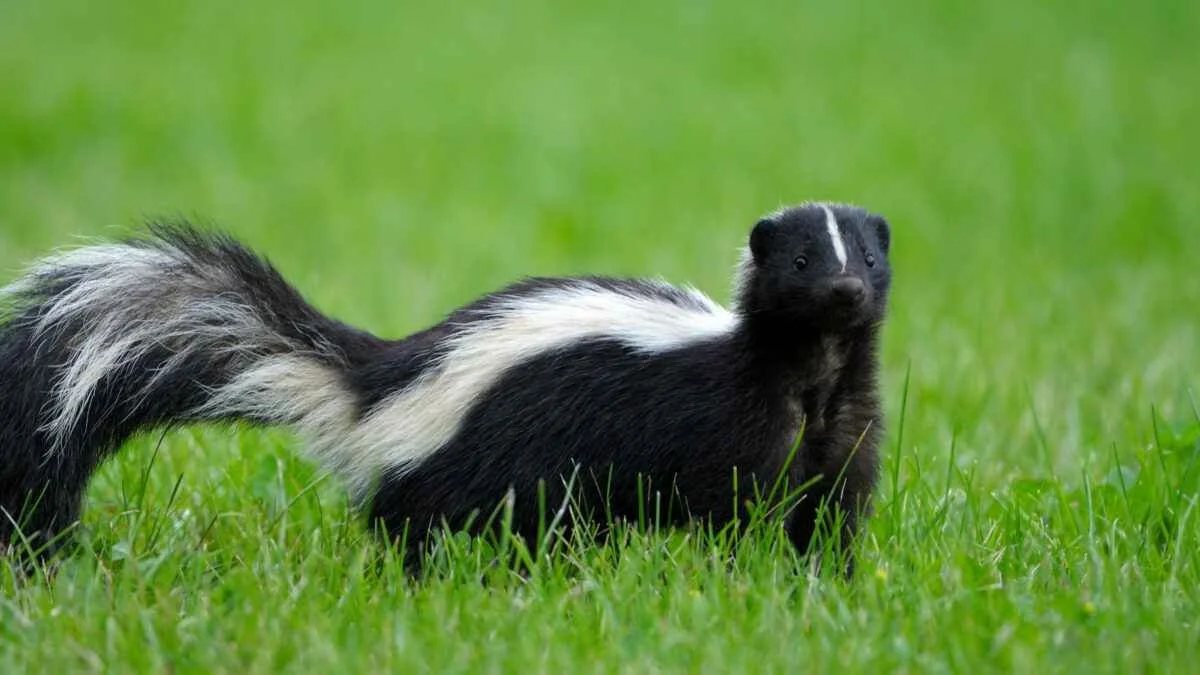
Mephitis mephitis - AKA the Striped Skunk
Skunks - The general overview.
The striped skunk (Mephitis mephitis) is a medium-sized nocturnal mammal recognized by its bold black-and-white coloration—typically a white stripe or pair of stripes running from the head down the back—and its powerful defensive spray, which can accurately project a foul-smelling musk up to 10–15 feet when threatened. Omnivorous and opportunistic, striped skunks feed on insects, small rodents, fruits, eggs, and carrion, making them common in rural, suburban, and even urban environments where they take advantage of gardens, trash, and animal burrows. They are generally solitary outside of the breeding season, denning in hollow logs, brush piles, or beneath porches, and can be beneficial for controlling insect and rodent populations, though they can transmit rabies and may dig in lawns while foraging for grubs. Skunks typically have 4–10 kits per litter born in spring, and their slow, deliberate movements and warning behaviors—stamping, hissing, and tail-raising—often precede spraying, giving people and pets a chance to avoid confrontation.
Skunks - Are they a health threat?
Skunks can transmit several diseases that pose risks to humans and pets, the most notable being rabies, a viral infection affecting the nervous system that can be fatal if not treated promptly after exposure; rabid skunks may appear unusually tame, disoriented, or aggressive. They also carry parasites such as fleas and ticks, which can spread pathogens like tularemia and, through secondary hosts, contribute to the transmission of diseases like Lyme disease. Skunk droppings and contaminated dens can harbor bacteria and parasites (including Salmonella, Leptospirosis and roundworms) that threaten health if people or animals come into contact with them or with soiled soil and bedding. Additionally, skunks can introduce ectoparasites and pathogens to domestic pets, so prompt vaccination of pets, avoiding direct contact with wildlife, and professional removal of problem skunks are important preventive measures.
Skunks - What property damage do they cause?
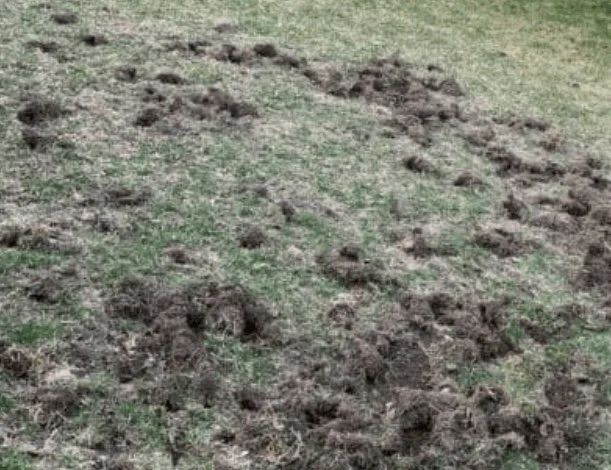
Skunks in search of grubs pose a serious problem to lawns and gardens.
Skunks can cause significant property damage when they dig for grubs and insects in lawns and flower beds, leaving unsightly holes and destroyed turf that can be costly and time-consuming to repair; they also burrow beneath decks, porches, and sheds to create dens, undermining foundations, creating structural instability, and allowing water intrusion that accelerates rot and pest problems. Their digging can ruin irrigation systems and garden plantings, and their tendency to nest under low structures creates concentrated areas of odor contamination and staining from bedding and waste. In addition to physical damage, repeated skunk activity can lower curb appeal and property value, attract secondary pests such as flies and rodents, and pose health concerns from ticks and fleas associated with skunk dens. Prompt, humane removal and exclusion measures are essential to prevent ongoing damage and restore the safety and appearance of the property.
Skunks - Mating season concerns?
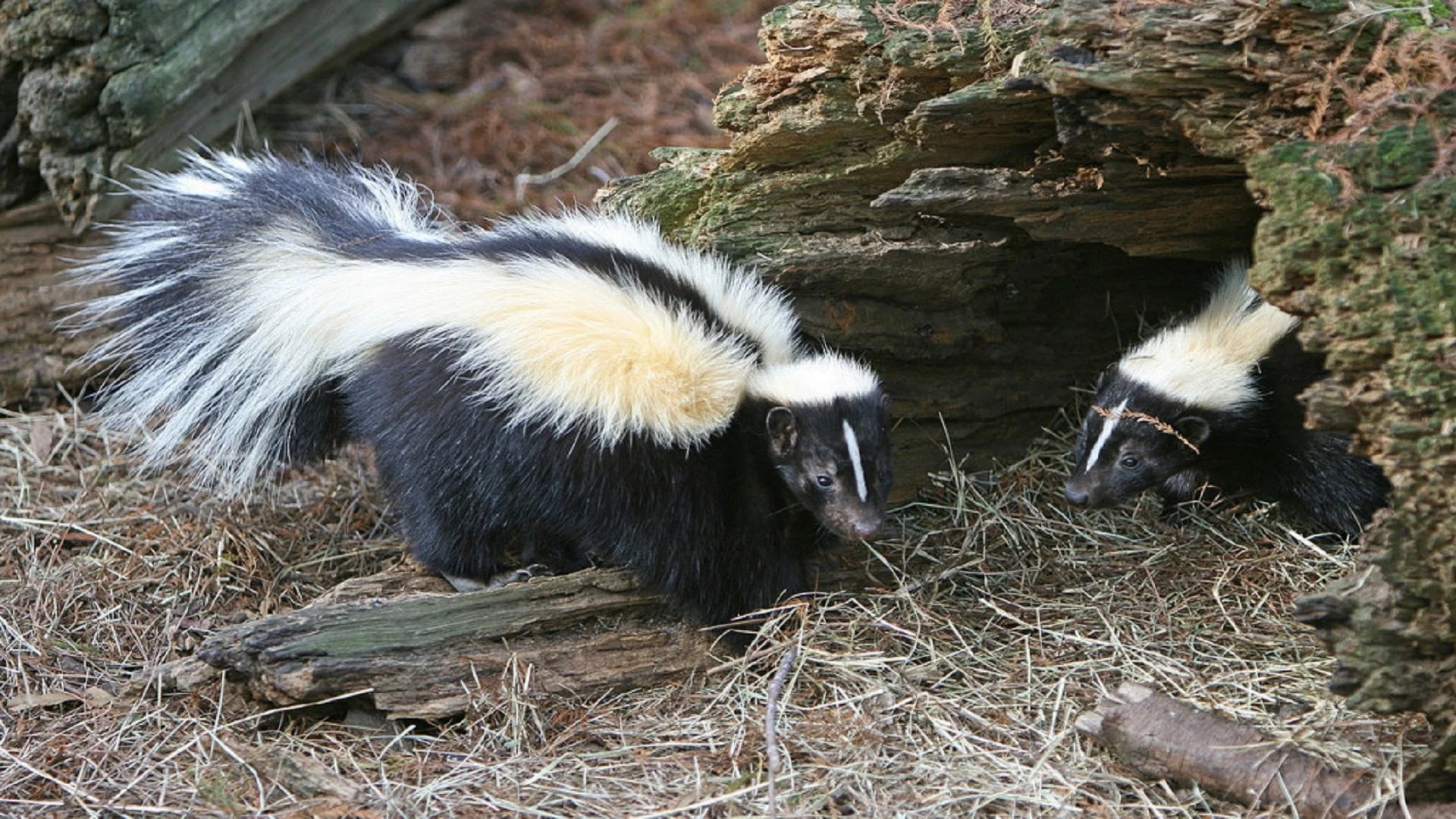
February and March are very active months for skunks in Michigan.
Skunk mating season in Michigan typically occurs from late February through April, when rising temperatures and longer daylight trigger increased activity and movement among males searching for receptive females; during this period you may see more skunks crossing roads or wandering near homes at dawn and dusk as males travel widely and sometimes fight over mates, which can lead to more aggressive encounters and higher chances of spraying. Females give birth to litters of four to six kits in late spring or early summer after a gestation of about 60–75 days, often nesting in protected sites like burrows, hollow logs, or under porches, so it’s important to secure potential den sites and avoid handling adults or kits. If you encounter skunks during mating season, minimize attractants (pet food, trash), keep pets indoors at night, and consider calling a professional wildlife control service for humane removal or exclusion to reduce conflict while protecting both people and wildlife.
Skunk Removal - More to it than most expect.
Gardner Trapping Solutions is well equipped to handle nuisance skunks.
As noted above, skunk related conflicts exist in a variety of ways and to properly eliminate the nuisance the following elements need to be considered:
Removal needs to focus on humane, pet-safe techniques. Have a plan that details what steps to take when a skunk is captured. Have the contact information for a local professional wildlife control service if assistance is needed to handle an animal caught in a trap.
Provide exclusion by sealing entry points, and habitat modification to discourage return. Sanitation and deodorization to restore the area should also be addressed.
Assess the site to determine whether a single animal or a den with kits is present. Look for multiple den entrances and locations.
Properly time removals to avoid abandonment of young, if present.
Ensure legal compliance with state wildlife regulations. Relocation of skunks is not permitted in Michigan per wildlife control regulations.
Address preventive measures - such as securing garbage, removing food sources, installing concrete or wire skirts around structures, and closing openings larger than three inches - to reduce the chance of future infestations.
Gardner Trapping Solutions removes nuisance skunks safely, legally, and humanely using proven pet-safe methods to locate, capture, and handle the animals in a manner that minimizes risks to your family and pets. Additionally, we will identify and seal entry points to prevent re-entry, advise on attractant removal, and provide follow-up services if necessary to ensure a lasting solution, not just a temporary fix. There truly is more to removal of a nuisance skunk than most people realize.
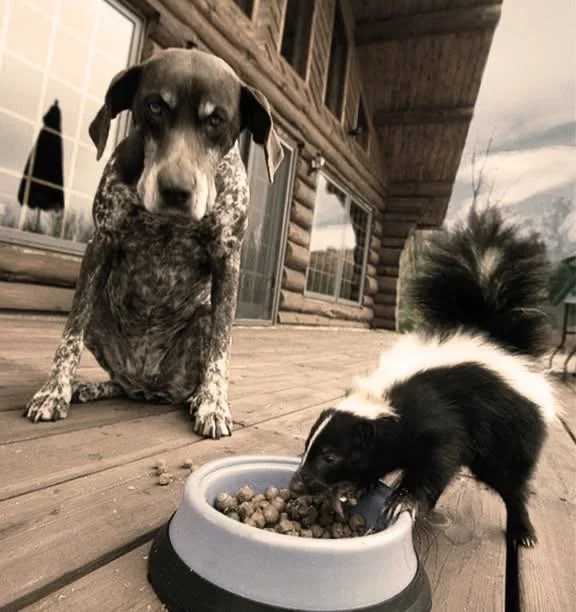
“Fancy dresser and all, but that cologne you’re wearing… WHEW!!”